How Much Cash Do You REALLY Need to Buy a House in Texas?
Esther Zavala
February 12, 20269 min read
``html
How Much Cash Do You REALLY Need to Buy a House in Texas? (It's More Than You Think!)
So, you're dreaming of owning a home in the Lone Star State? Maybe you're envisioning a modern condo in Uptown Dallas, a family-friendly house in Plano, or a charming bungalow in the Bishop Arts District. Whatever your Texas dream, the first question that pops into everyone's head is: "How much cash do I actually need?"
What most people miss? It's not just the down payment. In fact, the down payment is often the least of your worries when it comes to upfront costs. Buying a home in Texas, especially in a competitive market like Dallas-Fort Worth, requires careful financial planning. Let's break down the real numbers, so you're not caught off guard.
3-6%Typical closing costs in Texas
Beyond the Down Payment: Unveiling the Hidden Costs
Okay, let's get real. You've probably heard about the standard 3.5% FHA down payment or the traditional 20% down payment. Those are important, of course, but they're just the tip of the iceberg. Here's a rundown of the other expenses you need to factor in when purchasing property in the DFW area:
Closing Costs: This is where things can get a little hairy. Closing costs typically range from 3-6% of the total loan amount. This covers things like lender fees, title insurance, appraisal fees, recording fees, and attorney fees. On a $400,000 home, that could easily be $12,000 - $24,000!
Earnest Money Deposit: This is a good faith deposit you put down when you make an offer on a house. It's usually 1-3% of the purchase price and is held in escrow. If your offer is accepted, the earnest money goes toward your down payment or closing costs.
Home Inspection: Don't skip this! A professional home inspection can uncover hidden problems (like foundation issues, which are common in North Texas) that could cost you thousands down the road. Expect to pay around $400-$700 for a thorough inspection.
Appraisal Fee: Your lender will require an appraisal to ensure the property is worth the amount you're borrowing. This typically costs between $500-$800.
Property Taxes & Insurance: You'll likely need to pre-pay a portion of your property taxes and homeowner's insurance when you close on the loan. This could add several thousand dollars to your upfront costs. Texas property taxes are something to consider!
Moving Expenses: Don't forget the cost of actually moving your stuff! Whether you hire movers or rent a truck, moving expenses can add up quickly.
Ever noticed how some first-time homebuyers are shocked at closing? What I've found is that they didn't account for all these "hidden" costs. It's crucial to be prepared!
💡
Pro Tip: Get a detailed loan estimate from your lender early in the process. This will give you a clear breakdown of all your estimated closing costs. Don't be afraid to shop around for the best rates and fees!
Crunching the Numbers: Real-World Examples in Dallas-Fort Worth
Let's look at a few hypothetical scenarios to illustrate how much cash you might need to buy a house in different parts of the DFW area in 2026. Remember, these are just estimates, and actual costs can vary depending on the specific property, your lender, and other factors.
Scenario 1: First-Time Homebuyer in Frisco
Purchase Price: $350,000
Down Payment (3.5% FHA): $12,250
Closing Costs (4%): $14,000
Earnest Money (1%): $3,500
Inspection & Appraisal: $1,200
Total Cash Needed: $30,950 (approximately)
Scenario 2: Move-Up Buyer in Plano
Purchase Price: $600,000
Down Payment (20% Conventional): $120,000
Closing Costs (4%): $24,000
Earnest Money (1%): $6,000
Inspection & Appraisal: $1,200
Total Cash Needed: $151,200 (approximately)
Scenario 3: Investor Buying in Deep Ellum
Purchase Price: $450,000
Down Payment (25% Investment Property): $112,500
Closing Costs (4%): $18,000
Earnest Money (1%): $4,500
Inspection & Appraisal: $1,200
Total Cash Needed: $136,200 (approximately)
These examples highlight the importance of saving aggressively and planning carefully. Don't just focus on the down payment; factor in all the associated costs to avoid any surprises.
⚠️
Watch Out: Underestimating closing costs is a common mistake. Get a detailed estimate from your lender and factor in a buffer for unexpected expenses.
Strategies for Minimizing Upfront Costs
Okay, so you know how much cash you might need. What if you're short on funds? Here are a few strategies for minimizing your upfront costs:
Explore Down Payment Assistance Programs: Texas offers several down payment assistance programs for first-time homebuyers. These programs can provide grants or low-interest loans to help cover your down payment and closing costs.
Negotiate with the Seller: In some cases, you can negotiate with the seller to pay for some of your closing costs. This is more likely in a buyer's market.
Consider a "No-Closing-Cost" Mortgage: Some lenders offer mortgages with no closing costs. However, these loans typically have higher interest rates, so you'll need to weigh the pros and cons.
Shop Around for Insurance: Get quotes from multiple insurance companies to find the best rates on homeowner's insurance.
Delay Your Purchase (If Possible): If you're not in a rush to buy, consider delaying your purchase for a few months or even a year to save up more cash.
What most people miss is the power of negotiation. Don't be afraid to ask for help or explore different options. A good Dallas Realtor can be an invaluable resource in this process, guiding you through the complexities of the market and helping you negotiate the best possible deal.
"Real estate cannot be lost or stolen, nor can it be carried away. Purchased with common sense, paid for in full, and managed with reasonable care, it is about the safest investment in the world."
- Franklin D. Roosevelt
The Role of a Dallas Realtor in Your Home Buying Journey
Navigating the Dallas real estate market in 2026 can be challenging, especially with fluctuating interest rates and evolving market conditions. That's where a skilled Realtor in Dallas comes in. A good agent can:
Help you understand the local market: They'll provide insights into current trends, pricing, and inventory levels in different neighborhoods.
Guide you through the financing process: They can connect you with reputable lenders and help you explore different financing options.
Negotiate on your behalf: They'll advocate for your best interests and help you get the best possible price and terms.
Manage the paperwork: Buying a home involves a lot of paperwork. A Realtor can help you navigate the process and ensure everything is handled correctly.
Provide referrals: They can recommend trusted professionals, such as home inspectors, appraisers, and contractors.
And, speaking of professionals, if you're looking at new construction, consider engaging an AI service to analyze contracts and flag potential issues. It's a new world, and technology can really help.
Choosing the right DFW Realtor is crucial. Look for someone with experience, a strong track record, and a commitment to providing excellent service. They should be familiar with the specific neighborhoods you're interested in and have a deep understanding of the local market dynamics.
Key Takeaways
Buying a house in Texas requires more than just a down payment. Factor in closing costs, earnest money, inspection fees, appraisal fees, and other expenses.
Closing costs typically range from 3-6% of the loan amount.
Explore down payment assistance programs and negotiate with the seller to minimize upfront costs.
A skilled Dallas Realtor can guide you through the process and help you get the best possible deal.
Careful planning and saving are essential for a successful home purchase.
Ready to make your Texas dream home a reality?Reach out to Esther Zavala Realty today. We're here to help you navigate the Dallas-Fort Worth real estate market with confidence.
Frequently Asked Questions
How much should I save for a down payment in Texas?
The amount you should save for a down payment depends on the type of loan you're getting. FHA loans typically require a 3.5% down payment, while conventional loans may require 5-20%. The more you put down, the lower your monthly payments will be, and the less interest you'll pay over the life of the loan.
What are the typical closing costs in Dallas, Texas?
Closing costs in Dallas typically range from 3-6% of the loan amount. These costs cover things like lender fees, title insurance, appraisal fees, recording fees, and attorney fees.
Are there any down payment assistance programs available in Texas?
Yes, Texas offers several down payment assistance programs for first-time homebuyers. These programs can provide grants or low-interest loans to help cover your down payment and closing costs. Some popular programs include the Texas State Affordable Housing Corporation (TSAHC) and the My First Texas Home program.
How can I lower my closing costs when buying a home in Texas?
There are several ways to lower your closing costs. You can negotiate with the seller to pay for some of your closing costs, shop around for the best rates on homeowner's insurance, and consider a "no-closing-cost" mortgage (although these typically have higher interest rates).
What is earnest money, and how much should I put down?
Earnest money is a good faith deposit you put down when you make an offer on a house. It's typically 1-3% of the purchase price and is held in escrow. If your offer is accepted, the earnest money goes toward your down payment or closing costs.
How important is a home inspection when buying a house in Dallas?
A home inspection is crucial. It can uncover hidden problems that could cost you thousands down the road. Foundation issues are especially common in North Texas, so a thorough inspection is essential.
What are property taxes like in Texas?
Property taxes in Texas can be relatively high compared to other states. Be sure to factor this into your monthly budget when buying a home. Your Realtor can help you understand the property tax rates in different areas.
How can a Dallas Realtor help me buy a home?
A Dallas Realtor can provide invaluable assistance throughout the home buying process. They can help you understand the local market, guide you through the financing process, negotiate on your behalf, manage the paperwork, and provide referrals to trusted professionals.
``
Esther Zavala, REALTOR®
I'm passionate about helping buyers, sellers, and relocating families navigate the DFW real estate market with confidence and care. Based in Dallas/Fort Worth.
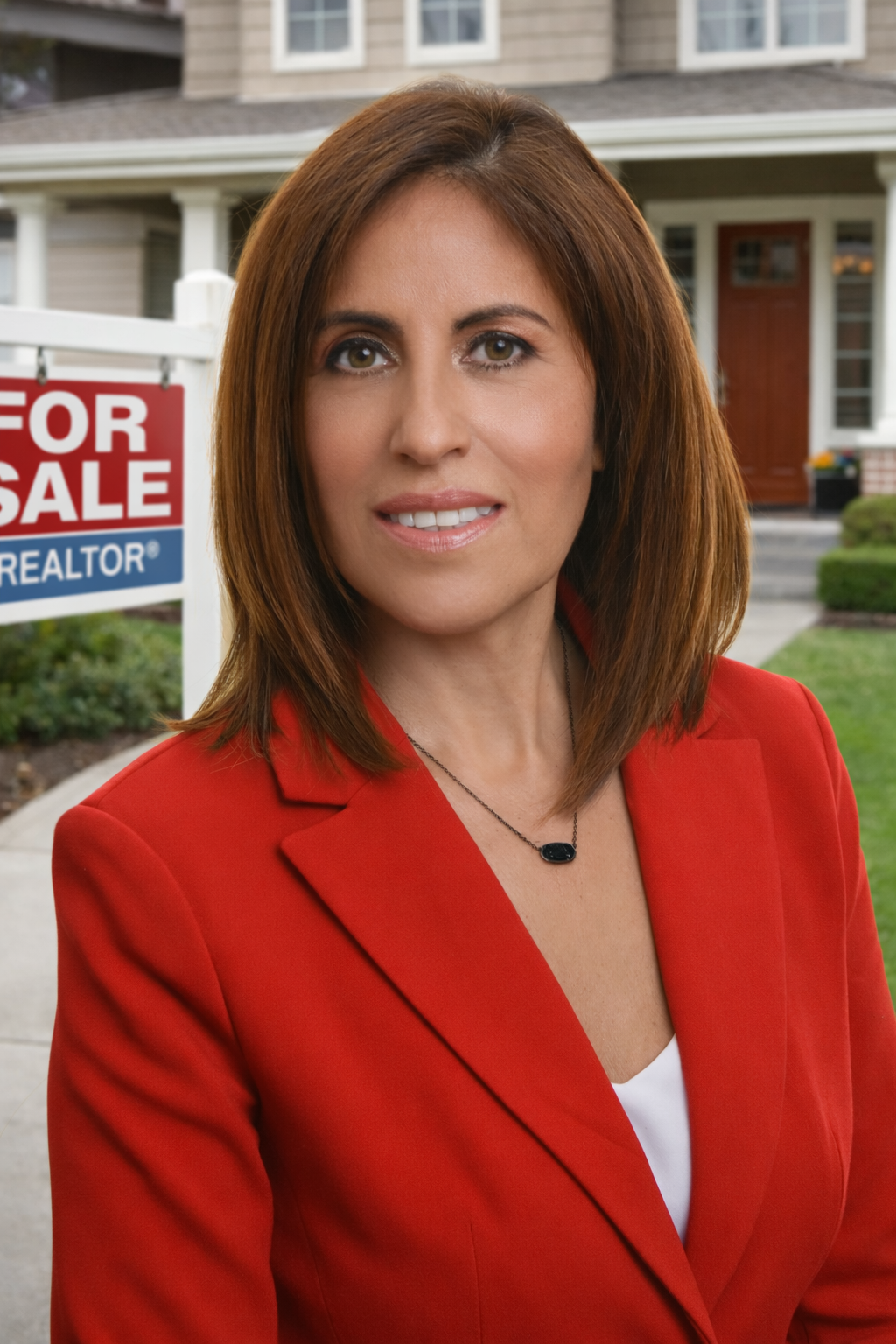 Esther Zavala

