DFW Housing: Can Congress Actually Fix Affordability?
Ever noticed how seemingly overnight, owning a home in Dallas-Fort Worth went from a reasonable goal to what feels like an impossible dream? Skyrocketing prices, rising interest rates, and stagnant wages have created a perfect storm, leaving many potential homebuyers feeling left out in the cold. But what if things were about to change? A new congressional package is making waves, promising to address the DFW housing affordability crisis head-on. But will it actually work? Let's break down what's being proposed and what it could mean for you, right here in North Texas.
What I've found is, most people don't really understand the root causes of the affordability issue. It's not just about wanting a bigger house; it's about the fundamental economics of supply and demand, coupled with some pretty significant policy decisions that have shaped the market over decades. Add to that the unique dynamics of the DFW metroplex – a booming population, limited land availability in certain areas, and a construction industry struggling to keep up – and you've got a recipe for a serious challenge.
45%Increase in DFW home prices since 2020
The proposed DFW Housing Affordability Package of 2026 is a multi-pronged approach designed to tackle these issues from several angles. It includes provisions for:
Increased funding for affordable housing development: Think more townhouses and condos popping up in areas like Frisco and Plano, aimed at first-time homebuyers.
Tax credits for first-time homebuyers: A potential boost to help with down payments and closing costs.
Relaxing zoning regulations: Allowing for denser development and a wider variety of housing types.
Incentives for developers to build more workforce housing: Targeting essential workers like teachers, nurses, and first responders.
Understanding the Fine Print: What's Really in the Package?
So, what does all of this actually mean? Let's dig into some of the key provisions:
Tax Credits for First-Time Homebuyers
The package proposes a significant expansion of the first-time homebuyer tax credit. Currently, there's a limited federal tax credit available, but the new proposal aims to increase the amount and expand eligibility. The proposed credit could be worth up to $10,000, which, in the DFW market, could make a real difference in affording a down payment. Imagine putting that towards a place in Bishop Arts or even a bit further out in a growing suburb.
Here's why that matters: that initial hurdle of the down payment is often the biggest barrier for young professionals and families. This tax credit aims to lower that barrier, making homeownership more accessible. But, there are always stipulations. Income limits will likely apply, and the credit might be structured as a refundable credit, meaning you get the money back even if you don't owe that much in taxes. It's crucial to understand the specifics when the final bill is passed.
💡
Pro Tip: Start getting your financial paperwork in order now. Even if the package passes, you'll need to demonstrate your income and creditworthiness to qualify for a mortgage.
Boosting Affordable Housing Development
Another key component is increased funding for affordable housing development. This means allocating more federal dollars to programs that support the construction of new affordable housing units. The goal is to increase the supply of homes available to low- and moderate-income families. We're talking about potentially seeing more mixed-income developments in areas that have traditionally been out of reach for many. The devil, of course, is in the details. How these funds are allocated and managed will be critical to their success.
What most people miss is that "affordable housing" doesn't necessarily mean low-quality housing. It simply means housing that is priced at a level that is affordable to a specific income bracket. Well-designed, thoughtfully planned affordable housing can actually enhance a neighborhood, bringing in new residents and boosting local businesses. Think about the potential for revitalizing areas near Deep Ellum with more diverse housing options.
Zoning Reform: A Potential Game-Changer
Perhaps the most impactful, and potentially controversial, aspect of the package is the push for zoning reform. Many cities in the DFW area have zoning regulations that restrict the type and density of housing that can be built. These regulations often favor single-family homes on large lots, which drives up prices and limits the supply of more affordable options like townhouses, condos, and apartments. The proposed congressional action aims to incentivize cities to relax these regulations, allowing for denser development and a wider variety of housing types.
Here's the thing: zoning reform can be a tough sell. Homeowners often worry that denser development will lower their property values or change the character of their neighborhoods. But the reality is that well-planned zoning reform can actually increase property values by creating more vibrant, walkable communities with a wider range of amenities. Plus, it's essential to remember that the current zoning regulations are, in many ways, a legacy of discriminatory housing policies from the past.
The DFW Angle: How Will This Affect Our Market?
The DFW housing market is unique, with its own set of challenges and opportunities. We've seen incredible growth over the past decade, but that growth has put a strain on affordability. The influx of new residents, drawn by our strong economy and relatively low cost of living (compared to other major cities), has outpaced the supply of new housing. This package could have a significant impact on our market, but its success will depend on a few key factors:
How quickly the funds are distributed: Bureaucracy can be a killer. If it takes years for the money to reach developers and local governments, the impact will be delayed.
How effectively the zoning reforms are implemented: Resistance from local communities could water down the reforms, limiting their impact.
How well the new housing is targeted to the needs of the DFW workforce: Building luxury condos won't solve the affordability crisis. We need more housing options for teachers, nurses, and other essential workers.
The Esther Zavala Realty team has been watching these trends closely, and we've already started seeing some developers exploring innovative approaches to affordable housing in the DFW area. We're talking about things like micro-units, co-living spaces, and modular construction. These solutions aren't for everyone, but they can provide a more affordable entry point into the housing market.
⚠️
Watch Out: Don't assume that this package will magically solve the affordability crisis overnight. It's a step in the right direction, but it's not a silver bullet.
Beyond the Package: What Else Can Be Done?
While the DFW Housing Affordability Package of 2026 is a welcome development, it's important to remember that it's just one piece of the puzzle. There are other things that can be done to address the affordability crisis, both at the local and national level. For example:
Investing in public transportation: Making it easier for people to live further from the city center without relying on a car can open up more affordable housing options.
Increasing wages: Ultimately, people need to earn more money to afford housing.
Addressing student loan debt: High levels of student loan debt can make it difficult for young people to save for a down payment.
Promoting financial literacy: Helping people understand how to manage their money and build credit can improve their chances of becoming homeowners.
At Esther Zavala Realty, we're committed to helping our clients navigate the complexities of the DFW housing market. Whether you're a first-time homebuyer, a seasoned investor, or simply looking to rent, we're here to provide you with the expertise and guidance you need to make informed decisions. Ever noticed how many real estate agents just want to close the deal? We focus on your long-term success.
"Real estate cannot be lost or stolen, nor can it be carried away. Purchased with common sense, paid for in full, and managed with reasonable care, it is about the safest investment in the world."
- Franklin D. Roosevelt
The Role of Technology and Innovation
It's 2026, and technology is (or should be) playing a bigger role in solving the housing crisis. Think about app development that connects potential renters with available units, streamlining the search process. Or AI services that analyze market trends to predict future affordability hotspots. Imagine algorithms that match people with roommates based on lifestyle and budget - a modern, data-driven approach to shared living. These aren't futuristic fantasies; they're tools we can and should be implementing now to make the housing market more accessible and efficient.
From a web design perspective, real estate websites need to be more than just pretty pictures. They need to provide interactive tools that allow users to explore different neighborhoods, compare prices, and assess their affordability options. Think of it as empowering potential buyers with the knowledge they need to make smart decisions.
Key Takeaways
The DFW Housing Affordability Package of 2026 aims to address the growing housing crisis in North Texas.
Key provisions include tax credits for first-time homebuyers, increased funding for affordable housing development, and zoning reform.
The success of the package will depend on how quickly the funds are distributed, how effectively the zoning reforms are implemented, and how well the new housing is targeted to the needs of the DFW workforce.
Technology and innovation can play a key role in making the housing market more accessible and efficient.
Want to talk through your housing options in DFW?Reach out - happy to chat.
Frequently Asked Questions
What are the income limits for the first-time homebuyer tax credit?
The specific income limits will depend on the final version of the bill, but they are likely to be targeted towards low- and moderate-income families. Keep an eye on official government websites for the latest updates.
How will the affordable housing funds be distributed?
The funds will likely be distributed through a combination of federal grants to state and local governments, as well as tax credits for developers who build affordable housing. The exact mechanisms will be detailed in the bill.
What kind of zoning reforms are being proposed?
The proposed reforms aim to allow for denser development and a wider variety of housing types, such as townhouses, condos, and apartments. This could involve reducing minimum lot sizes, increasing building heights, and allowing for mixed-use developments.
How can I find out if I qualify for affordable housing?
Contact your local housing authority or a non-profit housing organization. They can provide you with information about available programs and eligibility requirements.
Will this package lower my property taxes?
The package is unlikely to directly lower property taxes. However, by increasing the supply of housing, it could help to moderate price increases, which could indirectly affect property tax assessments.
Where can I learn more about the DFW Housing Affordability Package of 2026?
Keep an eye on official government websites, news outlets, and real estate industry publications. We'll also be providing updates on our website and social media channels.
How will this affect rental rates in Dallas and Fort Worth?
If the package is successful in increasing the supply of housing, it could help to moderate rental rate increases. However, the impact on rental rates will depend on a variety of factors, including the overall economy and the demand for rental housing.
What is workforce housing, and why is it important?
Workforce housing is housing that is affordable to essential workers, such as teachers, nurses, and first responders. It's important because these workers are vital to the functioning of our communities, and they need to be able to afford to live near where they work.
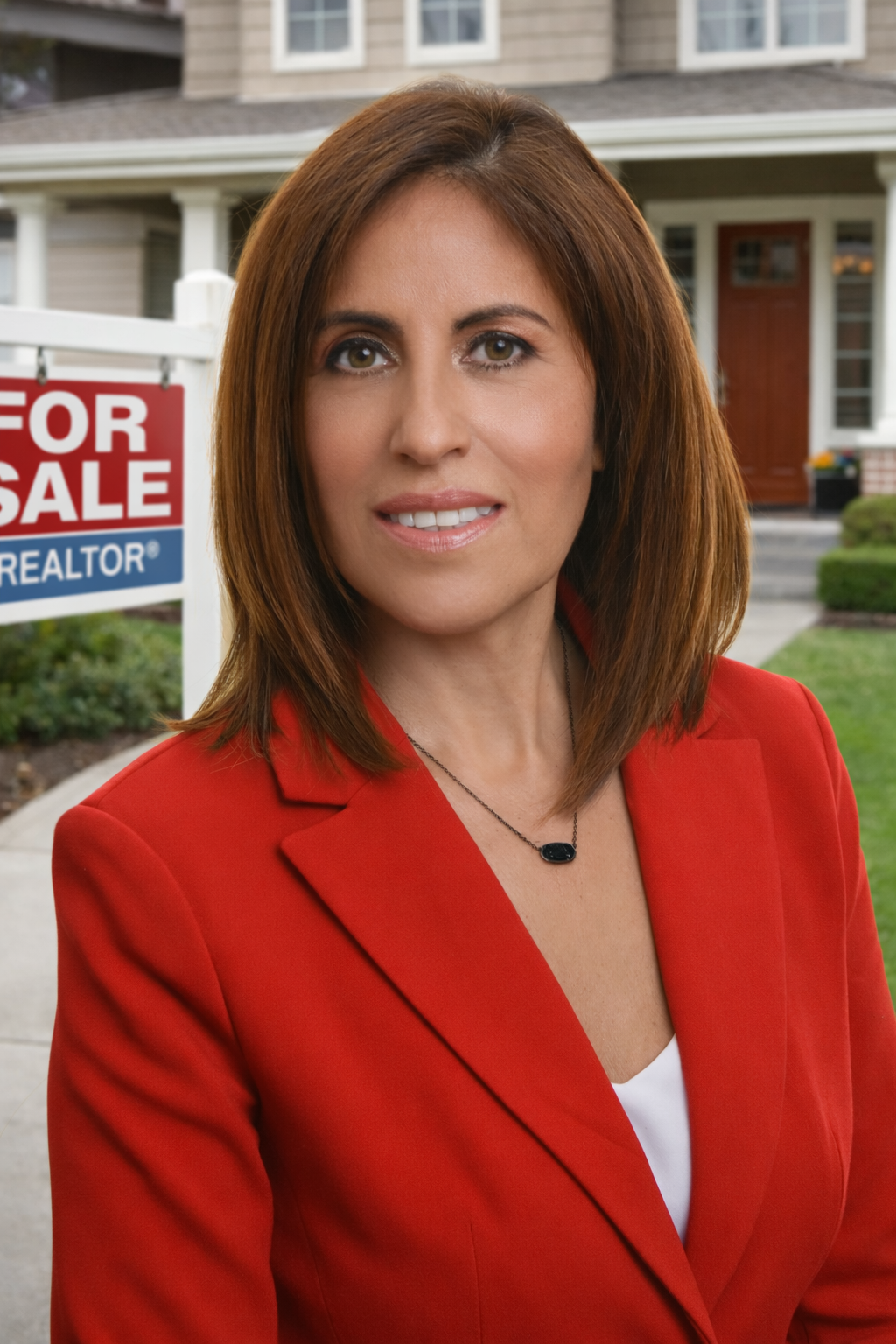
Esther Zavala, REALTOR®
I'm passionate about helping buyers, sellers, and relocating families navigate the DFW real estate market with confidence and care. Based in Dallas/Fort Worth.
 Esther Zavala

