Dallas REALTOR® 2026: Your Guide to Buying vs Renting in DFW
Esther Zavala
February 14, 202611 min read
``html
Your Dallas REALTOR® in 2026: Is Buying Better Than Renting in DFW?
¡Hola! I'm Esther Zavala, your dedicated Dallas REALTOR®, and I'm thrilled you're here. As a bilingual real estate expert in the DFW area, I'm passionate about helping you make informed decisions. Whether you're a first-time homebuyer, a relocating family, or simply exploring your options in the dynamic Dallas/Fort Worth (DFW) area, you've come to the right place. The DFW real estate market is constantly evolving, and 2026 is shaping up to be an interesting year. Let's dive into whether buying a home is a better option than renting in DFW, current interest rates, and how to make the best decision for your unique situation.
Ever noticed how everyone seems to have an opinion on whether you should buy or rent? It's a big decision, and it's not one-size-fits-all. What works for your neighbor in Plano might not be the right choice for you in Fort Worth. As a trusted real estate agent, I believe that in the long run, buying is often a better investment than renting, allowing you to build equity and secure your financial future.
6.8%Average 30-year mortgage rate in DFW (as of late 2026)
Understanding the DFW Market in 2026
The DFW area continues to be a hotbed for growth, attracting people from all over the country (and the world!). This influx of new residents impacts both the rental and home buying markets. We're seeing a continued demand for housing across all price points, but inventory remains a key challenge in many desirable neighborhoods. This means that while there are opportunities, it’s more important than ever to be prepared and work with an experienced DFW real estate agent like myself.
Areas like Frisco, McKinney, and Prosper continue to see strong growth, with new construction catering to families seeking top-rated schools. Meanwhile, areas closer to the city center, such as Uptown Dallas and Bishop Arts, offer vibrant urban living with a focus on walkability and amenities. Fort Worth is also experiencing a renaissance, with the Near Southside and West 7th Street areas becoming increasingly popular.
What most people miss is the hyper-local nature of the DFW market. What's happening in Celina is very different from what's happening in Irving. That's why it's essential to work with a local real estate expert who knows the nuances of each neighborhood.
💡
Pro Tip: Get pre-approved for a mortgage before you start seriously looking at homes. This will give you a clear understanding of your budget and make you a more competitive buyer.
Buying in DFW: The Path to Building Wealth
The allure of homeownership is strong. Owning a home provides stability, the opportunity to build equity, and the freedom to personalize your living space. Plus, there's a certain pride that comes with owning a piece of the American dream.
However, buying a home is a significant financial commitment. Here's what you need to consider:
Mortgage Rates: As of late 2026, the average 30-year mortgage rate in DFW is hovering around 6.8%. While this is higher than the historic lows we saw a few years ago, it's still within a reasonable range. Keep in mind that rates can fluctuate, so it's important to stay informed.
Down Payment: You'll typically need a down payment of at least 3-5% of the purchase price. There are some loan programs available for first-time buyers that offer lower down payment options, but these often come with stricter requirements.
Closing Costs: Don't forget about closing costs, which can include things like title insurance, appraisal fees, and loan origination fees. These costs can add up to several thousand dollars.
Property Taxes: Texas has relatively high property taxes, so be sure to factor this into your monthly budget.
Homeowners Insurance: You'll need to obtain homeowners insurance to protect your investment.
Maintenance and Repairs: As a homeowner, you're responsible for all maintenance and repairs. This can include everything from fixing a leaky faucet to replacing a roof.
Despite these costs, buying a home can still be a smart financial move, especially in a market like DFW where home values tend to appreciate over time. Many first-time buyers find that the long-term benefits outweigh the initial costs.
What I've found is that many people underestimate the power of building equity. Each month, a portion of your mortgage payment goes towards paying down the principal, which increases your ownership stake in the home. Over time, this equity can be used to fund other goals, such as retirement or your children's education.
Renting in DFW: A Flexible Option, But a Missed Opportunity
Renting offers flexibility and convenience. You're not tied down to a specific location, and you don't have to worry about maintenance or repairs. This can be a great option for those who are new to the area, aren't sure where they want to settle down, or prefer not to deal with the responsibilities of homeownership.
However, renting also has its drawbacks:
No Equity: When you rent, you're not building equity. You're simply paying for the right to live in the property for a specific period of time.
Limited Customization: You typically can't make significant changes to a rental property without the landlord's permission.
Rent Increases: Rent can increase from year to year, which can make it difficult to budget.
In DFW, rental rates have been on the rise in recent years, driven by strong demand. While there are still affordable options available, it's important to shop around and compare prices.
Here's why that matters: In some DFW neighborhoods, the monthly cost of renting is approaching the monthly cost of owning (when you factor in mortgage payments, property taxes, and insurance). In these cases, buying may actually be the more financially sound option in the long run.
⚠️
Watch Out: Don't let emotions cloud your judgment. Buying a home is a big decision, so it's important to weigh the pros and cons carefully.
Current Interest Rate Trends in DFW (2026)
Interest rates play a crucial role in the real estate market. They directly impact the affordability of homes and can influence buyer demand. As mentioned earlier, the average 30-year mortgage rate in DFW is around 6.8% as of late 2026.
Experts predict that interest rates will remain relatively stable throughout the remainder of the year, but there's always the potential for fluctuations. Factors that can influence interest rates include inflation, economic growth, and Federal Reserve policy.
It's important to stay informed about interest rate trends and to work with a lender who can help you find the best possible rate for your situation. A lower interest rate can save you thousands of dollars over the life of your loan.
Real estate cannot be lost or stolen, nor can it be carried away. Purchased with common sense, paid for in full, and managed with reasonable care, it is about the safest investment in the world.
- Franklin D. Roosevelt
Making the Right Choice for You
So, is buying better than renting in DFW in 2026? The answer depends on your individual circumstances and financial goals. Consider the following factors:
Your Financial Situation: Can you afford a down payment, closing costs, and ongoing homeownership expenses?
Your Lifestyle: Do you value flexibility and convenience, or do you prefer the stability and freedom of homeownership?
Your Long-Term Goals: Are you planning to stay in the DFW area for the long haul, or are you likely to move in the next few years?
Market Conditions: Are home prices rising or falling in your desired neighborhoods? What are the current interest rates?
It's a good idea to sit down with a financial advisor to discuss your options and create a budget that works for you. And of course, I'm always here to provide guidance and answer any questions you may have about the DFW real estate market. As a dedicated and experienced Dallas REALTOR®, I can help you analyze different neighborhoods, assess your budget, and negotiate the best possible deal. I am fluent in both English and Spanish, ensuring clear communication throughout the entire process.
Remember, finding the right DFW neighborhood is just as important as finding the right house. Think about your commute, school district, lifestyle preferences, and budget when evaluating different areas.
Key Takeaways
The DFW real estate market is dynamic and competitive.
Buying a home offers stability and the opportunity to build equity, and in the long run, is often a better financial decision.
Renting provides flexibility and convenience, but it doesn't offer the same financial benefits as homeownership.
Interest rates play a crucial role in the affordability of homes.
The best decision for you depends on your individual circumstances and financial goals.
Ready to explore your options in the DFW real estate market?Contact me today for a personalized consultation. I'm here to help you navigate the process with confidence, whether you're buying or renting. ¡Hablo español!
Frequently Asked Questions
What are the current trends in the Dallas/Fort Worth real estate market?
The DFW market is experiencing strong demand with limited inventory in many areas. Home prices have been steadily increasing, although the rate of appreciation has slowed down slightly compared to previous years. Interest rates are currently around 6.8%, and experts predict they will remain relatively stable.
Is it a good time to buy a home in DFW in 2026?
Whether it's a good time to buy depends on your individual circumstances. If you're financially ready and plan to stay in the area for the long term, buying can be a smart investment. However, it's important to be prepared for a competitive market and to work with an experienced real estate agent who can help you navigate the process.
What are the best neighborhoods in DFW for families?
Some of the best neighborhoods in DFW for families include Frisco, Plano, McKinney, and Southlake, all known for their top-rated schools, family-friendly amenities, and safe communities. These areas are highly sought-after, so expect to pay a premium.
What are the options for first-time homebuyers in DFW?
There are several loan programs available for first-time homebuyers in DFW, including FHA loans, VA loans, and USDA loans. These programs often offer lower down payment options and more lenient credit requirements. I can connect you with reputable lenders who can help you explore your options.
How can a Dallas REALTOR® help me find the right home?
As your Dallas REALTOR®, I can provide expert guidance throughout the home buying process. I can help you identify your needs and wants, search for properties that meet your criteria, negotiate offers, and navigate the closing process. I also have a deep understanding of the local market and can provide valuable insights into different neighborhoods.
What is the difference between a REALTOR® and a real estate agent?
While the terms are often used interchangeably, a REALTOR® is a real estate agent who is a member of the National Association of REALTORS® (NAR). REALTORS® are held to a higher ethical standard and are committed to providing exceptional service to their clients.
How much does it cost to hire a REALTOR® in DFW?
Typically, the seller pays the commission for both the buyer's agent and the seller's agent. The commission is usually a percentage of the sale price and is split between the two agents. As a buyer, you generally don't have to pay anything to hire a REALTOR®.
What should I look for in a DFW real estate agent?
When choosing a DFW real estate agent, look for someone who is experienced, knowledgeable about the local market, responsive, and communicative. It's also important to find someone you trust and feel comfortable working with. Read online reviews and ask for referrals from friends and family.
What are the closing costs associated with buying a home in DFW?
Closing costs typically include things like title insurance, appraisal fees, loan origination fees, recording fees, and property taxes. These costs can add up to 2-5% of the purchase price. I can provide you with a detailed estimate of closing costs based on your specific situation.
How can I improve my chances of getting my offer accepted in a competitive market?
In a competitive market, it's important to make your offer as attractive as possible. This may include offering above the asking price, waiving certain contingencies, and providing a strong earnest money deposit. Getting pre-approved for a mortgage is also essential. I can help you craft a winning offer that stands out from the crowd.
``
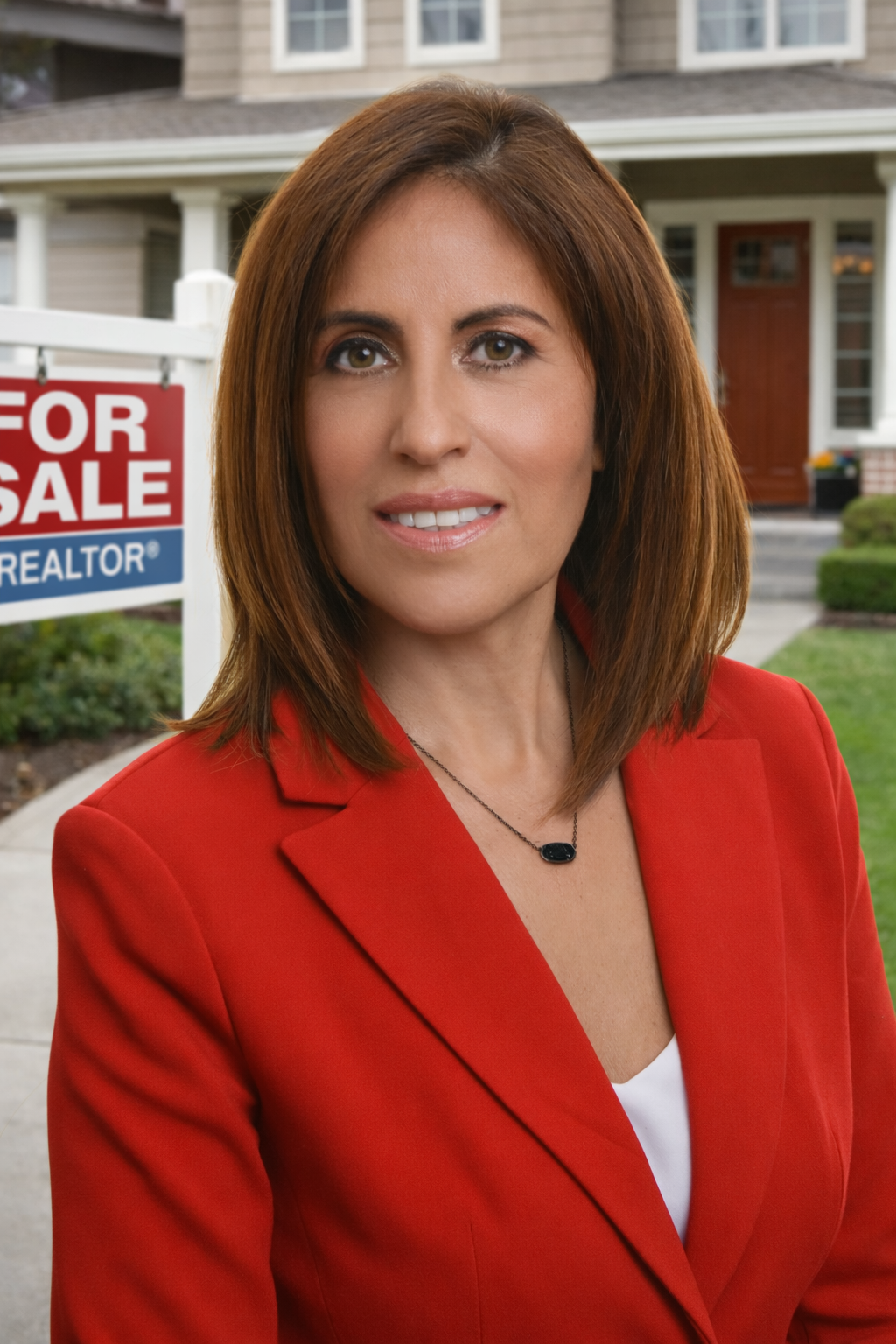
Esther Zavala, REALTOR®
I'm passionate about helping buyers, sellers, and relocating families navigate the DFW real estate market with confidence and care. Based in Dallas/Fort Worth.
 Esther Zavala

