Dallas Real Estate: Will 2026 Be a Good Time to Buy?
Esther Zavala
February 7, 20269 min read
html
Dallas Real Estate in 2026: A Buyer's Market?
Ever noticed how predicting the real estate market feels like predicting the weather in Texas? One minute it's sunny, the next you're dodging a hailstorm. But, let's try to make sense of what 2026 might hold for anyone looking to buy a home in the Dallas-Fort Worth area. We'll look at some key factors influencing the market, and give you an honest take, even if it's not what you expect to hear.
Here's the thing: no one has a crystal ball. But, we can analyze current trends, economic forecasts, and local market conditions to make an educated guess. And that's exactly what we're going to do. We're based right here in Dallas, so we see these shifts firsthand.
6.8%Average mortgage rate in Q1 2024
Interest Rates: The Big Question Mark
Interest rates are the elephant in the room. They dramatically impact affordability. What I've found is, even a small change in the mortgage rate can shift your entire budget. If rates remain high, that’ll continue to put downward pressure on home prices. If they drop significantly, expect increased competition and potentially rising prices again. The Freddie Mac forecast should be monitored closely.
Currently, we're seeing rates hovering around the 6-7% range (as of late 2024). Many experts predict a slight decrease by 2026, but don't expect a return to the ultra-low rates we saw during the pandemic. A reasonable expectation might be rates settling in the 5-6% range.
💡
Pro Tip: Start getting your finances in order now. Improve your credit score, save for a down payment, and get pre-approved for a mortgage. This will put you in a stronger position regardless of what the market does.
Inventory Levels: More Choices for Buyers?
For the past few years, Dallas has been experiencing a housing shortage. High demand and limited supply drove prices up. However, new construction is finally starting to catch up. We're seeing more homes being built, especially in the suburbs north of Dallas like Frisco and Plano.
If this trend continues, 2026 could see a more balanced market with increased inventory. More homes on the market mean buyers have more choices and more negotiating power. It also takes some pressure off bidding wars, which have been common in recent years.
Economic Factors: Dallas's Continued Growth
Dallas's economy remains strong. Major companies continue to relocate to the area, bringing jobs and driving population growth. This influx of people creates a constant demand for housing. Even with increased construction, it's unlikely we'll see a significant oversupply in the long term.
But what most people miss is that certain sectors are more vulnerable than others. Keep an eye on job growth in sectors like tech and finance, as these tend to have a ripple effect on the housing market. For example, if there are layoffs in the tech sector, it could lead to more homes being put on the market.
⚠️
Watch Out: Don't get caught up in the hype. Just because Dallas is a growing market doesn't mean every neighborhood is a good investment. Do your research and focus on areas with strong schools, good infrastructure, and long-term growth potential.
Local Market Variations: It's All About Location
The Dallas-Fort Worth area is vast, and the real estate market varies significantly from neighborhood to neighborhood. What's happening in Uptown Dallas is very different from what's happening in Fort Worth's Near Southside. Even within Dallas, areas like Deep Ellum and Bishop Arts have their own unique dynamics.
For example, luxury condos in Uptown might see slower appreciation due to oversupply, while single-family homes in desirable suburban neighborhoods could remain in high demand. Understanding these local nuances is crucial for making a smart investment. A good real estate agent with local expertise is invaluable here.
The Impact of Remote Work
Remote work has changed the game. Many people are no longer tied to a specific location, which has led to increased demand in suburban and even rural areas. This trend is likely to continue in 2026. People are prioritizing larger homes, bigger yards, and more space for home offices. This could keep demand strong in areas outside of the immediate city center.
And, as companies refine their return-to-office policies, we might see some shifts. If more companies require employees to be in the office more often, it could lead to increased demand for homes closer to the city center. This is something to watch closely.
New Technologies Shaping Real Estate
Ever noticed how AI is starting to impact everything? The real estate industry is no exception. From AI-powered property valuation tools to virtual home tours, technology is changing how people buy and sell homes. By 2026, these technologies will be even more advanced and integrated into the process.
For example, AI could be used to predict which neighborhoods are likely to see the most appreciation, or to personalize home searches based on individual preferences. Staying up-to-date on these technological advancements can give you a competitive edge.
What This Means for Buyers in 2026
So, will 2026 be a good time to buy a home in Dallas? The answer, as always, is it depends. It depends on your individual circumstances, your financial situation, and your risk tolerance. But here's a summary:
Interest rates: Likely to be moderately lower than current levels, but still relatively high.
Inventory: Expected to be higher, giving buyers more choices.
Economy: Dallas's economy is expected to remain strong, supporting housing demand.
Location: The market will vary significantly from neighborhood to neighborhood.
Technology: AI and other technologies will play an increasingly important role in the buying process.
If you're in a strong financial position, have a long-term investment horizon, and find a home that meets your needs, then 2026 could be a good time to buy. But, don't rush into anything. Do your research, work with a trusted real estate agent, and be prepared to negotiate.
Real estate cannot be lost or stolen, nor can it be carried away. Purchased with common sense, paid for in full, and managed with reasonable care, it is about the safest investment in the world.
- Franklin D. Roosevelt
Key Takeaways
Interest rates will heavily influence affordability - monitor forecasts closely.
Increased inventory could give buyers more negotiating power.
Dallas's strong economy will continue to support housing demand.
Local market knowledge is crucial for making a smart investment.
New technologies are transforming the real estate industry.
Ready to explore your options in the Dallas real estate market?Reach out for personalized guidance.
Frequently Asked Questions
What are the current interest rates in Dallas?
As of late 2024, interest rates for a 30-year fixed mortgage are hovering around 6-7%. These rates can fluctuate based on market conditions and your individual creditworthiness.
Where are the best neighborhoods to buy a home in Dallas?
The "best" neighborhood depends on your individual needs and preferences. Some popular areas include Plano, Frisco, Uptown, and Bishop Arts, but it's important to research and find the right fit for you.
How much of a down payment do I need to buy a home in Dallas?
The down payment requirement varies depending on the type of loan you get. Conventional loans typically require a down payment of 5-20%, while FHA loans can require as little as 3.5%. There are also programs available that offer down payment assistance.
What is the average home price in Dallas?
The average home price in Dallas varies depending on the neighborhood and type of property. As of late 2024, the median home price is around 0,000, but this can range from 0,000 to over million.
How can I find a good real estate agent in Dallas?
Look for an agent with local expertise, a strong track record, and good communication skills. Ask for referrals from friends or family, and read online reviews. It's also important to interview several agents before making a decision. We at Esther Zavala Realty pride ourselves on our deep understanding of the Dallas market and our commitment to client satisfaction.
What are the closing costs associated with buying a home in Dallas?
Closing costs typically range from 2-5% of the purchase price and include expenses such as appraisal fees, title insurance, and loan origination fees.
Should I buy a new construction home or a resale home?
Both new construction and resale homes have their pros and cons. New construction offers modern amenities and energy efficiency, while resale homes may offer more established neighborhoods and lower prices. Consider your priorities and budget when making this decision.
How long does it take to close on a home in Dallas?
The closing process typically takes 30-45 days, but this can vary depending on the complexity of the transaction and the lender's timeline.
What are the property taxes like in Dallas?
Property taxes in Dallas are relatively high compared to other parts of the country. The effective tax rate varies depending on the location and the assessed value of the property.
How can web design and branding impact my real estate business?
A professional website and strong branding are essential for attracting clients and building trust in today's digital age. Your website is often the first impression potential clients have of your business, so it's important to make it a good one. Think of it this way: your website is your digital storefront.
``
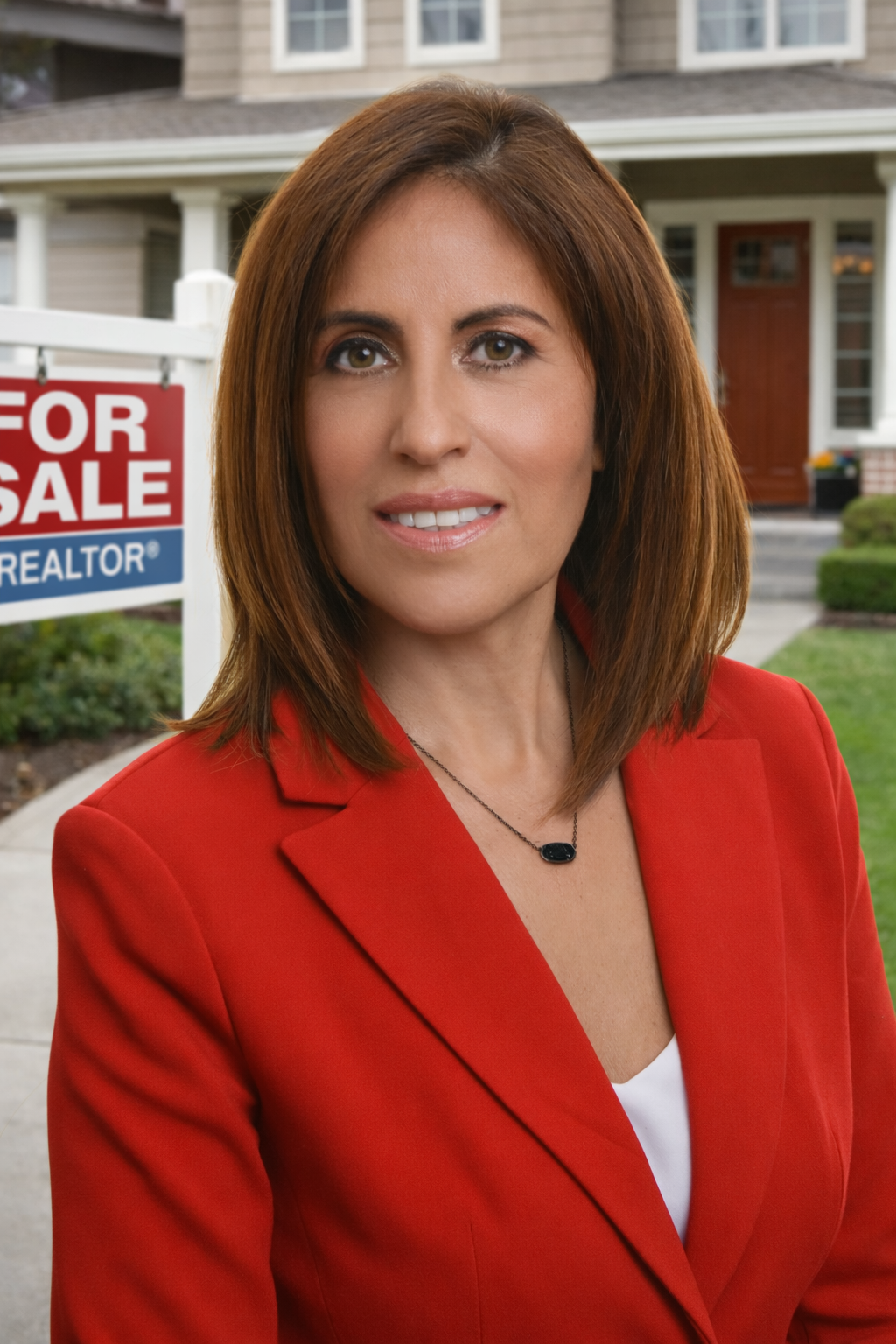
Esther Zavala, REALTOR®
I'm passionate about helping buyers, sellers, and relocating families navigate the DFW real estate market with confidence and care. Based in Dallas/Fort Worth.
 Esther Zavala

